
In Our Backyard: Western Bumble Bee
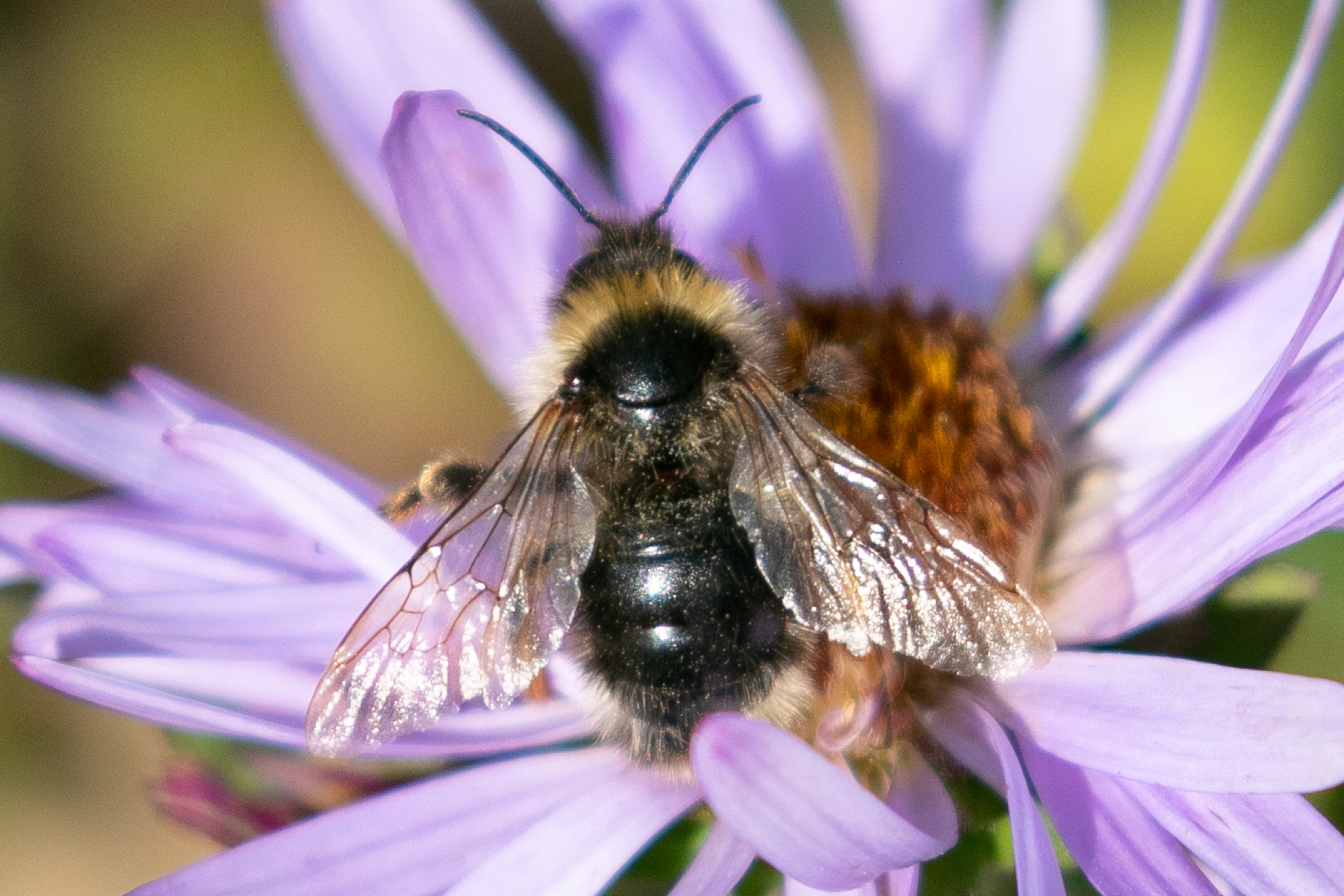
The western bumble bee (Bombus occidentalis), with its fuzzy black-and-yellow body and steady, purposeful flight, is one of the native pollinators that helps keep the Thompson-Nicola’s landscapes blooming. Once considered one of the most common and widespread bumble bees in western Canada, this species has become much less familiar in many parts of its former range, making each sighting a meaningful reminder of the importance of healthy pollinator habitat.
Like other bumble bees, western bumble bees are social insects. A queen emerges in spring to search for a nest site, often in an abandoned rodent burrow, grass tussock, or sheltered cavity. Through the summer, workers gather nectar and pollen from native wildflowers, shrubs, garden plants, and flowering crops. Their large bodies and ability to fly in cool weather make them especially valuable pollinators in the Interior, where spring and early summer conditions can shift quickly.
Distribution
In British Columbia, western bumble bees occur through much of the southern portion of the province, including areas south of approximately 55 to 57 degrees north. This makes the Thompson-Nicola a suitable region for the species, particularly where there is a mix of grasslands, open forests, wetlands, riparian areas, agricultural edges, and native flowering plants.
In the Thompson-Nicola, western bumble bees may be found visiting flowers in grasslands, meadows, gardens, ranchlands, roadsides, and forest openings. They rely on a continuous supply of blooms from early spring through fall. Early-flowering willows and shrubs can support queens when they first emerge, while summer wildflowers provide food for workers and developing colonies. Late-season flowers are especially important for new queens preparing to overwinter.
Threats
Although western bumble bees remain present in British Columbia, they have experienced significant declines in parts of their range. The Committee on the Status of Endangered Wildlife in Canada (COSEWIC) notes that the species was once common and widespread in western Canada but has declined substantially in recent decades, particularly in southern areas. Because of this decline, the southern population is listed as Threatened under the federal Species at Risk Act and appears on BC’s provincial Blue List of species of conservation concern.
Habitat loss and degradation are major concerns. Grasslands, wetlands, and open forest edges can lose their value for pollinators when native flowering plants are removed, when landscapes become fragmented, or when nesting and overwintering sites are disturbed. Pollinators need more than flowers alone; they also need safe places to nest, shelter, and survive the winter.
Pesticide exposure is another important threat. Insecticides can directly harm bees, while herbicides may reduce the diversity and abundance of flowering plants. Even when chemicals are not applied directly to pollinator habitat, drift and runoff can affect nearby meadows, field edges, and wetlands.
Disease and parasites have also played a role in western bumble bee declines. COSEWIC identifies the parasite Nosema bombi as a particular concern for this species. Climate change may add further pressure by shifting bloom times, increasing drought stress, and altering the plant communities that bees depend on.
Conservation
Protecting western bumble bees begins with protecting the connected habitats they need throughout their life cycle. Native grasslands, wildflower meadows, wetlands, riparian corridors, and open forest edges all provide important foraging areas. Maintaining a diversity of native plants that bloom at different times of year can help support queens, workers, males, and new queens across the season.
Landowners and communities can help by planting native flowering species, reducing pesticide use, leaving some areas unmown, and protecting patches of bare ground, leaf litter, bunchgrass, and undisturbed vegetation. These small habitat features can provide nesting and overwintering opportunities for bumble bees and other beneficial insects.
In the Thompson-Nicola, pollinator conservation is closely connected to broader grassland and riparian stewardship. By maintaining ecological corridors and healthy native plant communities, we support not only western bumble bees, but also butterflies, birds, amphibians, and the many species that depend on resilient, functioning ecosystems.
Learn More
- COSEWIC Assessment and Status Report: Western Bumble Bee (Bombus occidentalis)
- BC Species and Ecosystems Explorer: Western Bumble Bee
- BC Conservation Data Centre: Western Bumble Bee
- Xerces Society: Bumble Bee Conservation
- iNaturalist: Western Bumble Bee
Feature image: Western bumble bee by John Reynolds, CC BY-NC, via iNaturalist